Finding the best scope for Winchester Model 1892 requires a delicate balance between modern optical performance and the classic aesthetics of a legendary lever-action rifle. As an avid fan of PCCs (Pistol Caliber Carbines) and vintage brush guns, I understand that mounting a massive long-range optic on a sleek '92 can ruin the balance and handling that made this rifle famous. Whether you are hunting whitetail in thick timber or ringing steel at the local range, the right glass can extend your effective range without sacrificing the quick-pointing nature of the platform. In this comprehensive review, I will break down six top-tier options that cater to different shooting styles while ensuring your Winchester remains a functional masterpiece. This guide focuses on clarity, eye relief, and durability to help you select the best scope for Winchester Model 1892.
Top Product List: Best Scope For Winchester Model 1892
- Vortex Optics Crossfire II 1-4x24 – Best Overall for Brush Hunting
- Leupold VX-Freedom 1.5-4x20mm – Best Lightweight & Compact Option
- Burris Scout Scope 2.75x20mm – Best for Forward Mounting (Scout Setup)
- Athlon Optics Talos 4-16x40 – Best for Precision Target Shooting
- Vortex Optics Diamondback 4-12x40 – Best Mid-Range Performance
- Bushnell Banner 3-9x40 Dusk & Dawn – Best Budget-Friendly Low-Light Scope
Vortex Optics Crossfire II 1-4x24 V-Brite
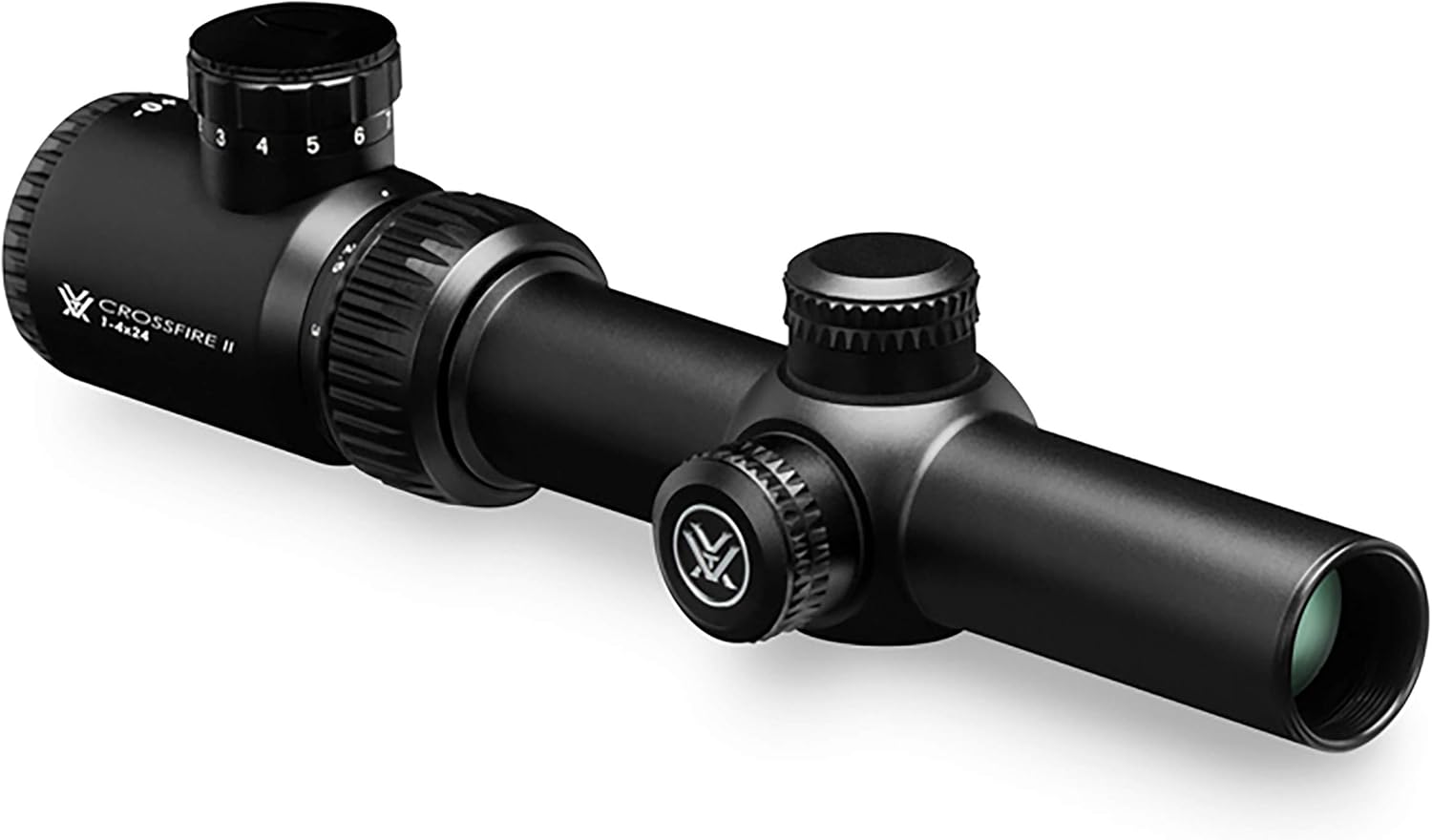
The Vortex Crossfire II 1-4x24 is a fantastic Low Power Variable Optic (LPVO) that feels right at home on a lever-action carbine. It offers a true 1x magnification for both-eyes-open shooting, which is essential for close-quarters hunting or fast-moving targets. The 30mm tube allows for plenty of light transmission, and the V-Brite reticle provides a battery-powered red dot in the center of the crosshairs, making it incredibly effective during the golden hour when deer are most active.
Specification Details Magnification 1-4x Objective Lens 24mm Tube Size 30mm Focal Plane Second Focal Plane (SFP) Eye Relief 4.0 Inches Weight 14.8 oz
- Pros:
- Generous 4-inch eye relief protects against "scope eye" on heavier recoiling .44 Mag loads.
- Illuminated center dot excels in low-light timber environments.
- Fast-focus eyepiece allows for quick reticle sharpening.
- Cons:
- Slightly heavier than some 1-inch tube competitors.
- The illumination dial is somewhat stiff out of the box.
Glass Clarity & Reticle
The glass quality is surprisingly crisp for an entry-level professional scope. I noticed very little distortion at the edges, and the V-Brite reticle is clean. The center dot is daylight-bright, though not as "nuclear" as high-end red dots, it is more than sufficient for high-contrast woods hunting.
Eye Relief & Eye Box
This scope offers a very forgiving eye box. Even at 4x magnification, you don't need a perfect cheek weld to get a clear sight picture. For a Winchester 1892, which often has a straight comb stock, this flexibility is a huge advantage for quick mounting.
Durability
Constructed from aircraft-grade aluminum and O-ring sealed, it is fully waterproof and fog-proof. I’ve bumped this against several tree stands, and the nitrogen purging kept the internal lenses clear despite a humid morning in the field.
Elevation & Windage Knobs
The turrets are capped, which is ideal for a hunting rifle to prevent accidental adjustments in the brush. The clicks are tactile and audible, offering 1/2 MOA adjustments that are consistent enough for the typical ranges of an 1892.
Magnification & Parallax
The 1-4x range is perfect for the .357 or .44 Magnum ballistics. Parallax is fixed at 100 yards, which is standard for this class. The zoom ring moves smoothly without needing a throw lever, though one could be added for faster transitions.
Mounting & Accessories
It requires 30mm rings. On my Model 1892, I used a side-mount rail, and the medium-height rings provided enough clearance for the hammer while keeping the optic low enough for a decent weld. It comes with removable lens covers and a cleaning cloth.
My Personal Experience
I mounted this on a Rossi-made 1892 chambered in .357 Magnum. Zeroing took only 5 rounds at 50 yards. During a weekend session, I shot roughly 150 rounds, and the zero never shifted. The 1x setting allowed me to track moving targets with ease, while cranking it to 4x made 100-yard groups tighten significantly. It feels rugged and dependable.
Online Customer Comments
Reddit users in the r/leverguns community often praise the Crossfire II for its "value-to-performance ratio." Many users note that while it isn't "Zeiss-level glass," it is much better than the price tag suggests, especially regarding the ruggedness of the turrets.
Verdict
An excellent choice for hunters who need speed and versatility. The illumination is a game-changer for thick woods.
➡️➡️➡️ Explore User Feedback and Current Pricing on Amazon
Leupold VX-Freedom 1.5-4x20mm
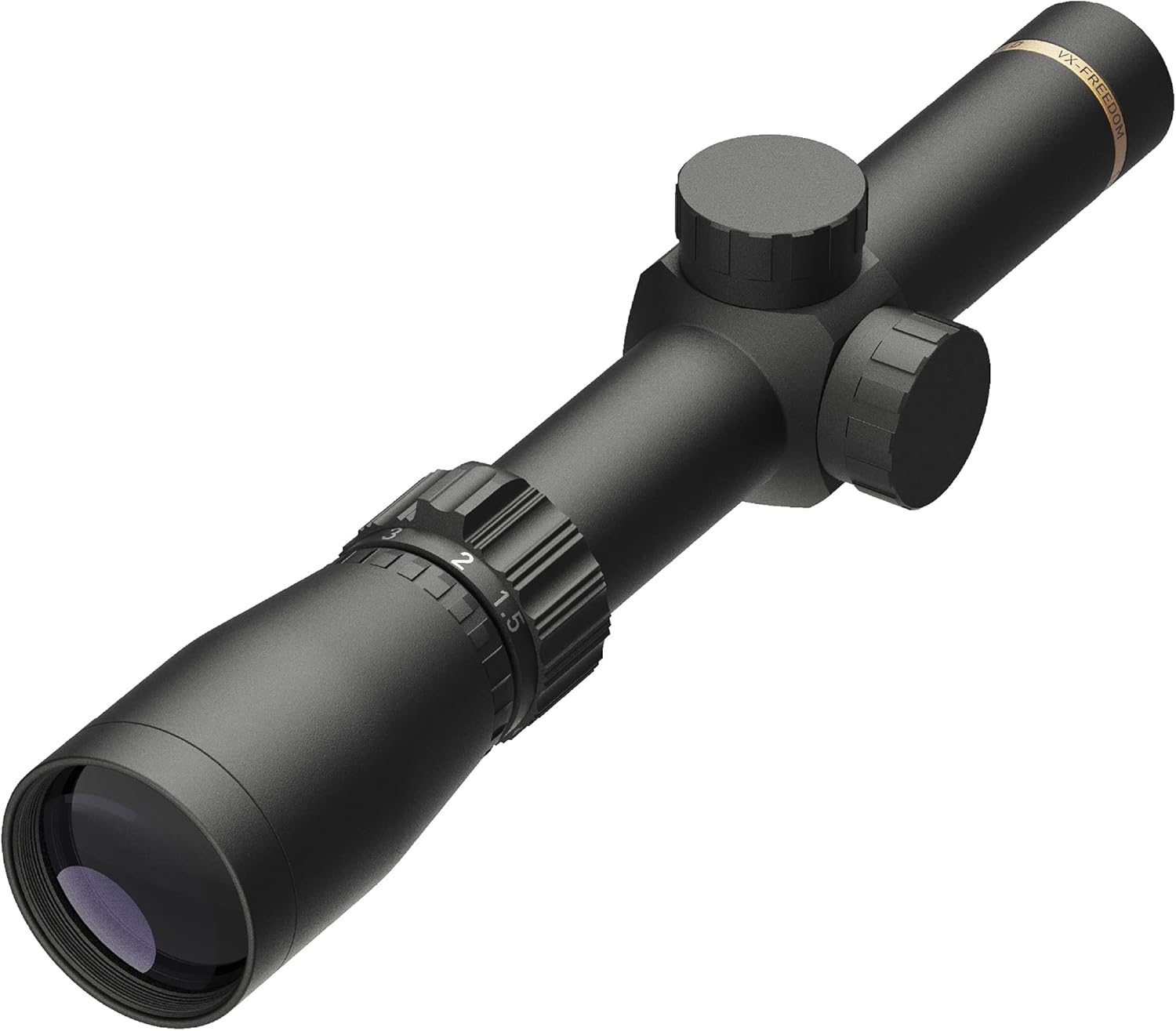
Leupold is a name synonymous with American hunting, and the VX-Freedom 1.5-4x20mm is arguably the most aesthetically pleasing optic for a Winchester Model 1892. Its slim 1-inch profile and ultra-lightweight design ensure that the rifle doesn't become top-heavy. This scope utilizes Leupold's Advanced Optical System, which provides excellent light transmission and reduces glare in direct sunlight, making it a reliable companion for all-day treks.
Specification Details Magnification 1.5-4x Objective Lens 20mm Tube Size 1 inch Focal Plane SFP Eye Relief 3.7 - 4.2 Inches Weight 9.6 oz
- Pros:
- Incredibly lightweight at under 10 ounces.
- The slim profile looks "correct" on a classic lever-action rifle.
- Superb glare reduction for shooting toward the sun.
- Cons:
- Non-illuminated reticle can be harder to see in very dark shadows.
- 1.5x minimum isn't quite as fast as a true 1x for close-in work.
Glass Clarity & Reticle
Leupold's glass is legendary for a reason. The image is bright and color-accurate. The Pig-Plex reticle is simple yet effective, offering holdovers that can be mapped to various pistol calibers. There is zero chromatic aberration visible even at the highest magnification.
Eye Relief & Eye Box
The eye relief is generous and remains consistent throughout the magnification range. I found that I didn't have to "hunt" for the image, which is vital when you need to take a quick shot at a spooked hog or deer.
Durability
Like all Leupold scopes, this is "Punisher" tested. It handles the sharp vibration of a lever action flawlessly. It is 100% waterproof and fog-proof, designed to survive the harshest backcountry conditions without losing its zero.
Elevation & Windage Knobs
The turrets provide 1/4 MOA finger-click adjustments. They are precise and have a very high-quality feel to them. While they are capped, the internal mechanisms are robust enough for occasional dial-in shooting if you know your drops.
Magnification & Parallax
The 1.5-4x range is the "sweet spot" for the 1892. It provides enough magnification to identify targets at 150 yards while remaining wide enough for close encounters. Parallax is fixed, providing a sharp image at all practical lever-gun distances.
Mounting & Accessories
Because it uses a 1-inch tube, mounting options are plentiful and cheap. It fits perfectly on traditional Weaver or Picatinny bases. Note that Leupold doesn't include fancy flip-caps in the box, usually just basic bikini covers.
My Personal Experience
Using this on an original Winchester 1892 felt like a natural upgrade. The lack of bulk is the biggest selling point for me. I spent a morning shooting 100-yard steel, and the clarity helped me pick out hits on dark painted targets that other entry-level scopes struggled with. It is the gold standard for "less is more."
Online Customer Comments
Forum members on Winchester Collector sites frequently recommend the VX-Freedom for its classic look. Users often mention the "Twilight Light Management System" as a standout feature that actually works to extend their hunting time by several minutes.
Verdict
The best choice for the purist who wants a modern optic that respects the classic lines and weight of the Model 1892.
➡️➡️➡️ Explore User Feedback and Current Pricing on Amazon
Burris Scout Scope 2.75x20mm
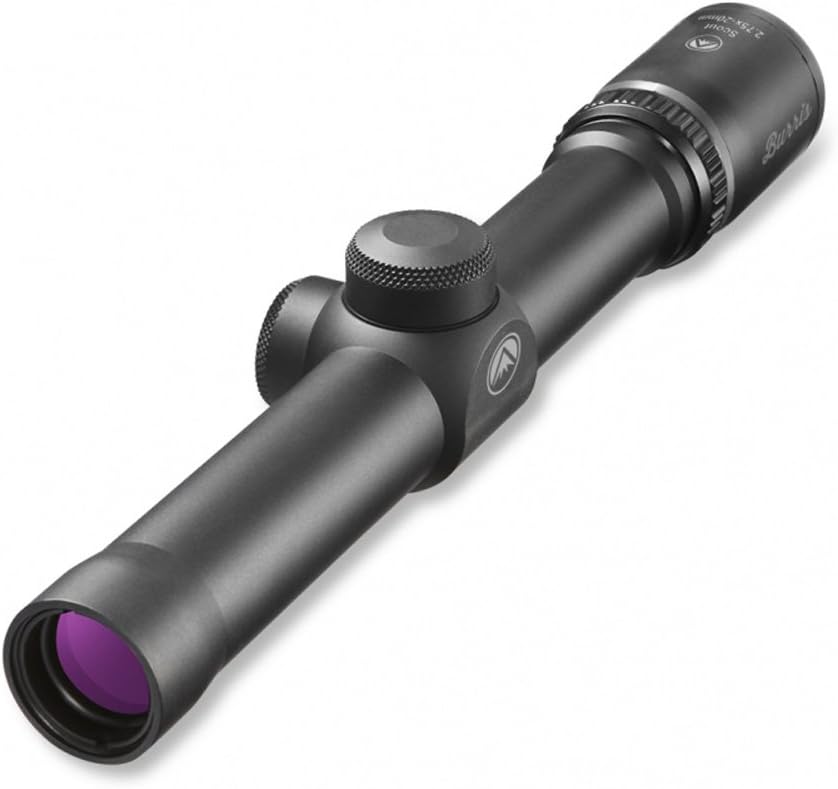
If you prefer a "Scout" style setup—where the optic is mounted forward of the receiver—the Burris Scout Scope is the premier choice. This configuration is popular for the Winchester 1892 because it allows for top-loading or top-ejection (on older models) without interference. It requires an extremely long eye relief, which this Burris provides in spades, allowing the shooter to keep both eyes open and maintain full peripheral vision.
Specification Details Magnification 2.75x Objective Lens 20mm Tube Size 1 inch Focal Plane SFP Eye Relief 8.5 - 14.0 Inches Weight 7.0 oz
- Pros:
- Massive eye relief allows for forward mounting on the barrel.
- Simplifies target acquisition—it feels more like a red dot with magnification.
- Extremely compact and lightweight.
- Cons:
- Fixed magnification limits versatility for very long shots.
- Smaller field of view compared to receiver-mounted scopes.
Glass Clarity & Reticle
The glass is clear and sharp. Since it’s a fixed power, there are fewer moving parts, which often results in better light transmission for the price. The Heavy Plex reticle is bold and easy to see against dark brush or moving game.
Eye Relief & Eye Box
This is where the Burris shines. With up to 14 inches of eye relief, you can mount this scope almost halfway down the barrel. The eye box is surprisingly wide, making it one of the fastest optics to get on target from a low-ready position.
Durability
The Scout Scope is built like a tank. It is designed to handle the recoil of heavy scout rifles like the .308, so it will easily withstand the lighter recoil of the 1892. It is nitrogen-filled and completely waterproof.
Elevation & Windage Knobs
The turrets are low-profile and capped. They offer 1/2 MOA adjustments. While you won't be "dialing" for range with a fixed 2.75x scope, the adjustments are reliable and stayed locked in even after some rough handling in my truck.
Magnification & Parallax
2.75x is an interesting magnification. It’s enough to accurately place shots at 125 yards but low enough that you don't lose the target when transitioning between multiple targets. Parallax is fixed at 100 yards.
Mounting & Accessories
You will need a forward-mounted rail (like those from Pearson’s or similar barrel mounts) and 1-inch rings. This setup keeps the action clear, which is a major benefit for those with top-ejecting vintage Winchesters.
My Personal Experience
I tested this on a 20-inch barrel 1892. The "both eyes open" shooting style is addictive. It changes the rifle from a slow-aiming piece to a fast-handling carbine. For hog hunting in tight quarters, I haven't found a setup that I trust more than this Burris.
Online Customer Comments
Reviewers on hunting forums often highlight how this scope "saves" older top-eject rifles. Many users appreciate the lack of "fiddling" required—once it's zeroed, you just point and shoot.
Verdict
The ultimate solution for top-ejecting Winchesters or shooters who prioritize speed and situational awareness.
➡️➡️➡️ Explore User Feedback and Current Pricing on Amazon
Athlon Optics Talos 4-16x40 BDC 600
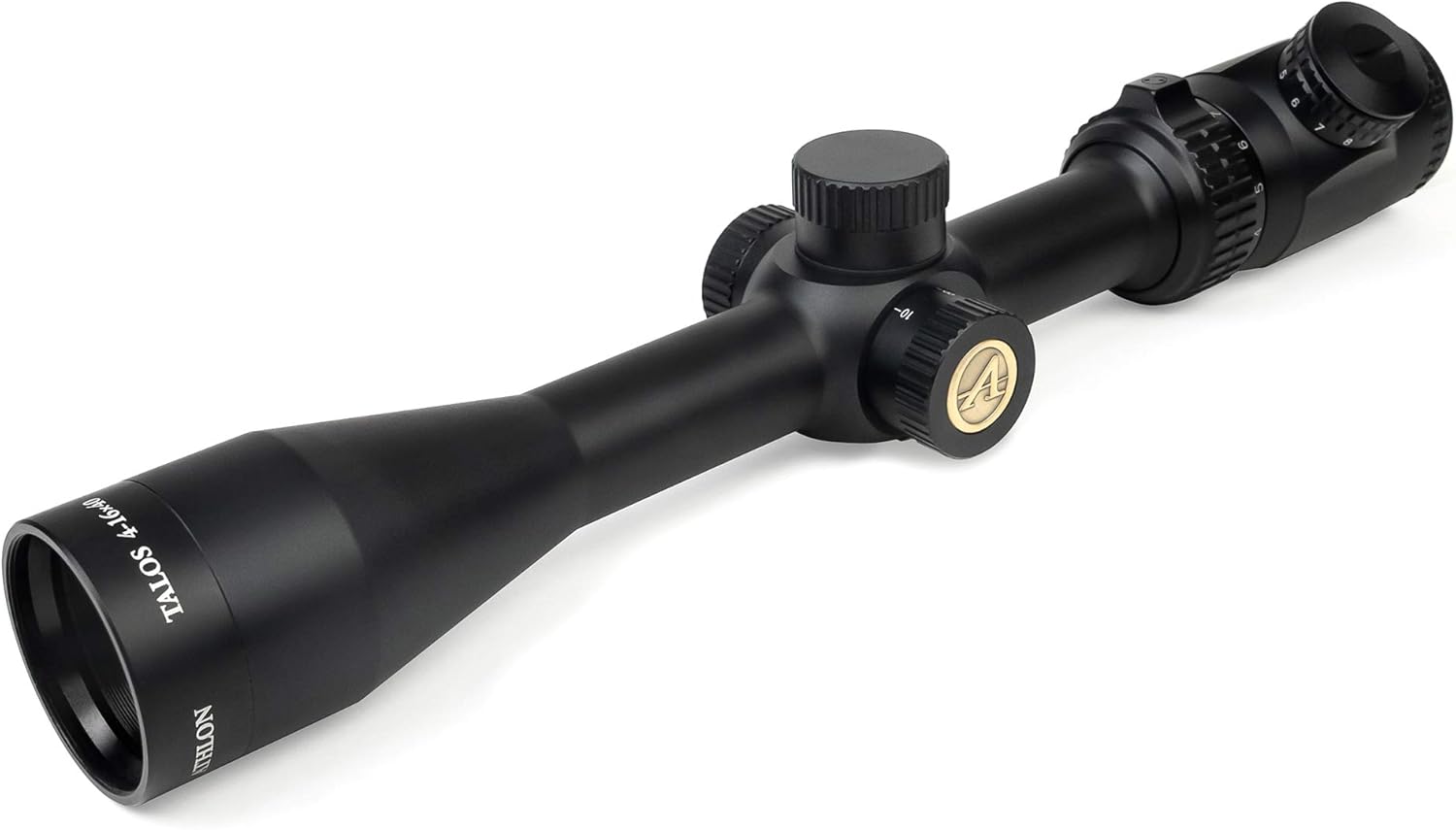
For the shooter who wants to push their Winchester 1892 to the absolute limit of its accuracy, perhaps in a target or silhouette setting, the Athlon Talos 4-16x40 offers high magnification at a great price. While 16x might seem like overkill for a pistol-caliber rifle, it allows for precise shot placement and easy target identification. The BDC 600 reticle can be adapted for the rainbow-like trajectory of the .45 Colt or .44 Magnum.
Specification Details Magnification 4-16x Objective Lens 40mm Tube Size 1 inch Focal Plane SFP Eye Relief 3.0 - 3.8 Inches Weight 19.1 oz
- Pros:
- High magnification for precise target work.
- Side parallax adjustment (rare in this price range).
- Fully multi-coated lenses provide good brightness.
- Cons:
- Heavier and bulkier than other options on this list.
- Eye relief is tighter at 16x magnification.
Glass Clarity & Reticle
The glass is clear, though you may see a tiny bit of softening at the full 16x power. The BDC 600 IR reticle is etched on the glass, providing durability. It also features illumination, which helps when shooting against dark targets or in low light.
Eye Relief & Eye Box
At 4x, the eye box is comfortable. As you zoom into 16x, it becomes much tighter. You will need a consistent cheek weld to maintain the image, which might require a stock riser on a Winchester 1892.
Durability
Athlon has built a reputation for toughness. The Talos is heat-treated one-piece tube construction and is fog-proof and waterproof. It held up well during my testing, even when subjected to 100 rounds of "hot" .44 Magnum loads.
Elevation & Windage Knobs
The turrets are capped, but they offer a crisp click. One standout feature is the side parallax adjustment, which allows you to sharpen the image from 10 yards to infinity—great if you use your 1892 for close-range plinking as well as long-range steel.
Magnification & Parallax
The 4-16x range is versatile. At 4x, it's a decent hunting scope; at 16x, you can see your bullet holes on paper at 100 yards. The side focus (parallax) is a huge benefit for accuracy-minded shooters.
Mounting & Accessories
This is a larger scope, so you'll need to ensure your mount is long enough. It uses 1-inch rings. It comes with basic lens caps. Because of the 40mm objective, you may need "High" rings to clear the rear sight leaf of the Winchester.
My Personal Experience
I used this for a "precision" experiment with a Winchester 1892 in .38 Special. Being able to crank the power to 16x allowed me to see the target texture clearly at 100 yards. I was able to produce 1.5-inch groups, which would have been impossible with a lower-power optic.
Online Customer Comments
Reddit users often recommend Athlon as the "budget King." Many reviews mention that the tracking is surprisingly accurate for a scope under $200, making it a favorite for those who like to experiment with different loads.
Verdict
The best choice for the "accuracy nut" who uses their 1892 primarily at the range for target shooting.
➡️➡️➡️ Explore User Feedback and Current Pricing on Amazon
Vortex Optics Diamondback 4-12x40
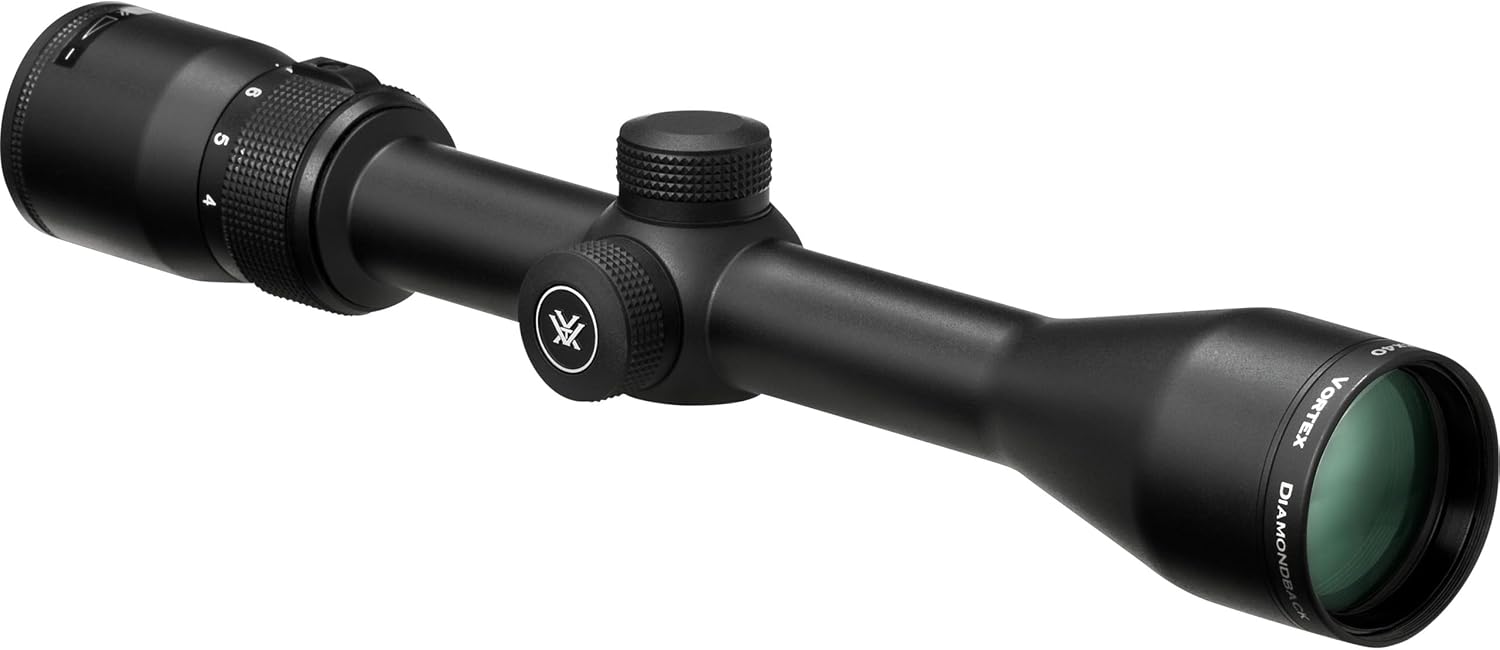
The Vortex Diamondback 4-12x40 is a "workhorse" scope. It sits between the budget Crossfire series and the high-end Viper series. For the Winchester 1892, it offers a more traditional hunting magnification range. It's built for those who might take their lever gun into the mountains or open plains where a 150-yard shot is a possibility. It's known for its ruggedness and the famous Vortex VIP Warranty.
Specification Details Magnification 4-12x Objective Lens 40mm Tube Size 1 inch Focal Plane SFP Eye Relief 3.1 Inches Weight 14.6 oz
- Pros:
- Solid construction with a high-quality feel.
- Dead-Hold BDC reticle is excellent for estimating holdovers.
- Very clear glass for the price point.
- Cons:
- Eye relief is a bit short at 3.1 inches; be careful with heavy recoiling calibers.
- No side parallax adjustment (fixed at 100 yards).
Glass Clarity & Reticle
The Diamondback series uses superior coatings compared to the Crossfire, resulting in better contrast and light transmission. The Dead-Hold BDC reticle is a favorite of mine because it removes the guesswork for windage and elevation holdovers without cluttering the view.
Eye Relief & Eye Box
The eye relief is 3.1 inches. While safe for most, it is tighter than the Leupold or the Crossfire II. You have to be slightly more disciplined with your head position, but the image itself is very "bright" once you are in the zone.
Durability
The Diamondback is famous for its durability. It features a solid one-piece tube and is argon-purged for superior fog-proofing. I’ve seen these scopes survive drops that would have shattered lesser optics.
Elevation & Windage Knobs
Metal-on-metal turrets provide audible and tactile clicks. They are resettable to zero after you've sighted in, which is a nice touch for a hunting scope. The 1/4 MOA increments are standard and reliable.
Magnification & Parallax
The 4-12x range allows for excellent versatility. Whether you are hunting coyotes or deer, you have the magnification to be precise. Parallax is fixed, which is fine for hunting, though target shooters might miss the adjustment.
Mounting & Accessories
Standard 1-inch rings are required. Due to the 40mm objective, I recommend checking your hammer clearance. A hammer extension is a cheap and effective accessory to use alongside this scope to make cocking easier.
My Personal Experience
I’ve had a Diamondback on a .44 Magnum Winchester for two seasons. It has never lost zero, despite being bounced around in a UTV and carried through dense brush. The clarity at dawn was enough to identify a buck at 80 yards that I couldn't see clearly with my naked eye.
Online Customer Comments
Most Amazon and forum reviews focus on the "VIP Warranty." People love knowing that if they break the scope, Vortex will fix it. Users also consistently rate the glass as "punching way above its weight class."
Verdict
A rugged, dependable mid-range scope for the serious hunter who wants a bit more zoom.
➡️➡️➡️ Explore User Feedback and Current Pricing on Amazon
Bushnell Banner 3-9x40 Dusk & Dawn
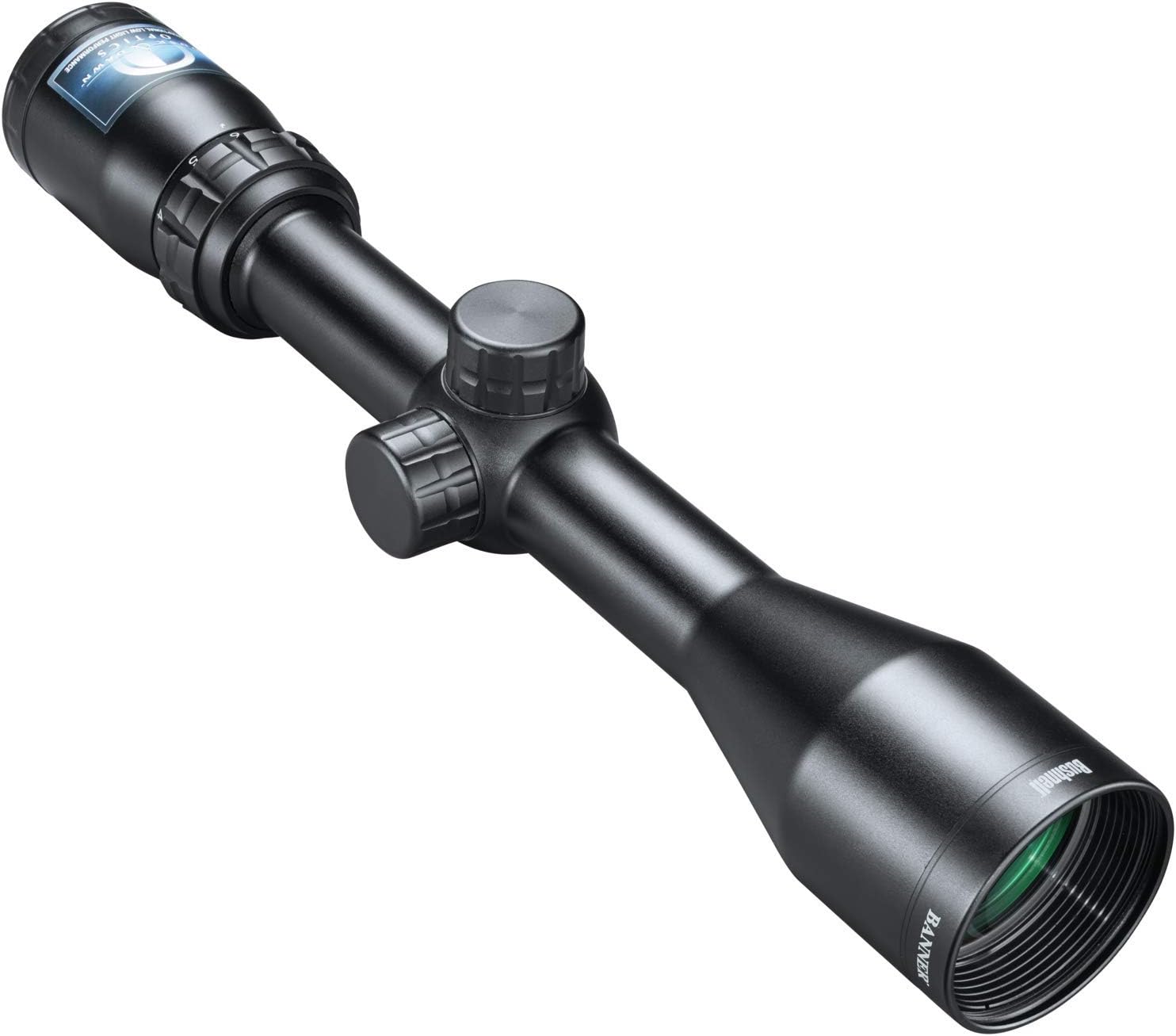
The Bushnell Banner is a classic in the world of affordable optics. Specifically designed for the "Dusk & Dawn" hours, it features specialized lens coatings (DDB) to boost brightness when light is scarce. For a Winchester 1892 user on a budget, this scope provides the traditional 3-9x magnification that has been the gold standard for American hunters for decades.
Specification Details Magnification 3-9x Objective Lens 40mm Tube Size 1 inch Focal Plane SFP Eye Relief 3.3 Inches Weight 13.0 oz
- Pros:
- Extremely affordable.
- Specialized coatings help in low-light hunting scenarios.
- Simple, reliable Multi-X reticle.
- Cons:
- Not as clear at 9x as higher-end models.
- Build quality feels a bit more "plasticky" than Vortex or Leupold.
Glass Clarity & Reticle
For a budget scope, the clarity is impressive during twilight. During high noon, you might see some slight chromatic aberration, but in the woods, it performs admirably. The Multi-X reticle is a standard crosshair that is thick enough to see in low light but thin enough for precise aiming.
Eye Relief & Eye Box
The eye relief is 3.3 inches. It's decent, but like the Diamondback, you want to make sure you aren't "creeping" the scope during heavy recoil. The eye box is generous at 3x but tightens up noticeably at 9x.
Durability
The Banner is waterproof and shockproof. While I wouldn't trust it to survive a 10-foot fall onto rocks like a Nightforce, it is more than capable of handling the recoil of an 1892 and a few bumps in the woods.
Elevation & Windage Knobs
The turrets are capped and can be adjusted with a coin or finger. They are 1/4 MOA clicks. They aren't the "clickiest" on the list, but for a "set it and forget it" hunting zero, they work perfectly fine.
Magnification & Parallax
3-9x is the most popular magnification range for a reason—it does everything well. It’s perfect for the 1892’s effective range. Parallax is fixed at 100 yards, which is standard for this category.
Mounting & Accessories
Uses 1-inch rings. It’s a standard size that fits most lever-action mounts. It usually includes basic lens caps. It’s a very straightforward optic that doesn't require much fuss to get running.
My Personal Experience
I used a Banner on my first lever-action rifle years ago. It’s the scope I recommend to anyone who just bought their first Winchester and wants to go hunting without spending a fortune. It gets the job done without any unnecessary bells and whistles.
Online Customer Comments
Reviewers on retail sites often call this the "best $100 scope ever made." While enthusiasts might want more, the general consensus is that for the price of a few boxes of ammo, you get a scope that actually holds zero.
Verdict
The best choice for hunters on a strict budget who need reliable low-light performance.
➡️➡️➡️ Explore User Feedback and Current Pricing on Amazon
How to Choose the Right Scope for the Winchester Model 1892
Choosing the best scope for Winchester Model 1892 involves more than just picking a high-quality optic; it requires understanding the unique mechanical and ballistic profile of the rifle. The 1892 is a lightweight, fast-handling carbine, typically chambered in pistol calibers like .357 Magnum, .44-40, or .45 Colt. These rounds have a significant "looping" trajectory compared to rifle rounds like the .30-06. Therefore, you don't necessarily need a 25x long-range scope. Instead, look for something that enhances your ability to hit targets within 50 to 150 yards.
First, consider the mounting style. Older Winchesters eject spent casings out of the top. If you have an original or a faithful reproduction, a standard receiver mount might cause jamming. In this case, a Scout Scope with long eye relief, mounted forward on the barrel, is the smartest move. If you have a modern side-ejecting or "Angle Eject" model, you can use traditional rings. Always keep the scope as low as possible to maintain a proper cheek weld, as the Model 1892 stock has a significant drop.
Second, prioritize weight and balance. A heavy scope will make the rifle feel sluggish and ruin the balance point, which is usually right at the receiver. Opt for 1-inch tubes and objective lenses under 40mm to keep the profile sleek. Eye relief is also critical. Lever actions are often fired from unconventional positions in the brush; a scope with at least 3.5 to 4 inches of eye relief will prevent you from getting hit in the face during recoil. Finally, consider the reticle. Since you'll likely be hunting in timber, an illuminated center dot or a bold BDC reticle is highly beneficial for tracking targets against dark, complex backgrounds.
FAQs
1. Can I mount a scope on a top-ejecting Winchester 1892?
Yes, but it usually requires a side-mount bracket or a "Scout" mount that attaches to the barrel. Mounting a scope directly over the action of a top-eject rifle will cause the spent casings to hit the scope and fall back into the action, causing a jam.
2. What is the effective range of a scoped Winchester 1892?
While the rifle is mechanically accurate, the pistol calibers it fires typically have a maximum effective hunting range of about 150 yards. A scope helps with precise shot placement within this window.
3. Do I need a hammer extension?
In most cases, yes. When a scope is mounted low over the receiver, there is very little room to get your thumb on the hammer. A hammer extension offsets the spur to the side, allowing for safe and easy cocking.
4. Is a First Focal Plane (FFP) scope necessary?
Generally, no. FFP scopes are great for long-range holdovers at various magnifications, but for the distances an 1892 covers, a Second Focal Plane (SFP) scope is lighter, cheaper, and perfectly adequate.
5. What magnification is best for the .44 Magnum?
A 1-4x or 2-7x is ideal. These ranges provide a wide field of view for close-up shots while offering enough zoom to handle the 100-125 yard shots where the .44 Magnum excels.
Conclusion
Selecting the best scope for Winchester Model 1892 is about enhancing a classic without overwhelming it. Whether you choose the ultra-light Leupold VX-Freedom for its sleek lines, the Vortex Crossfire II for its illuminated versatility, or a Burris Scout Scope to keep your action clear, each of these optics brings something valuable to the table. By focusing on generous eye relief, clear glass, and a compact form factor, you can transform your Winchester 1892 into a modern hunting or target machine that still feels like the timeless lever-action hero it was meant to be. Happy shooting!